
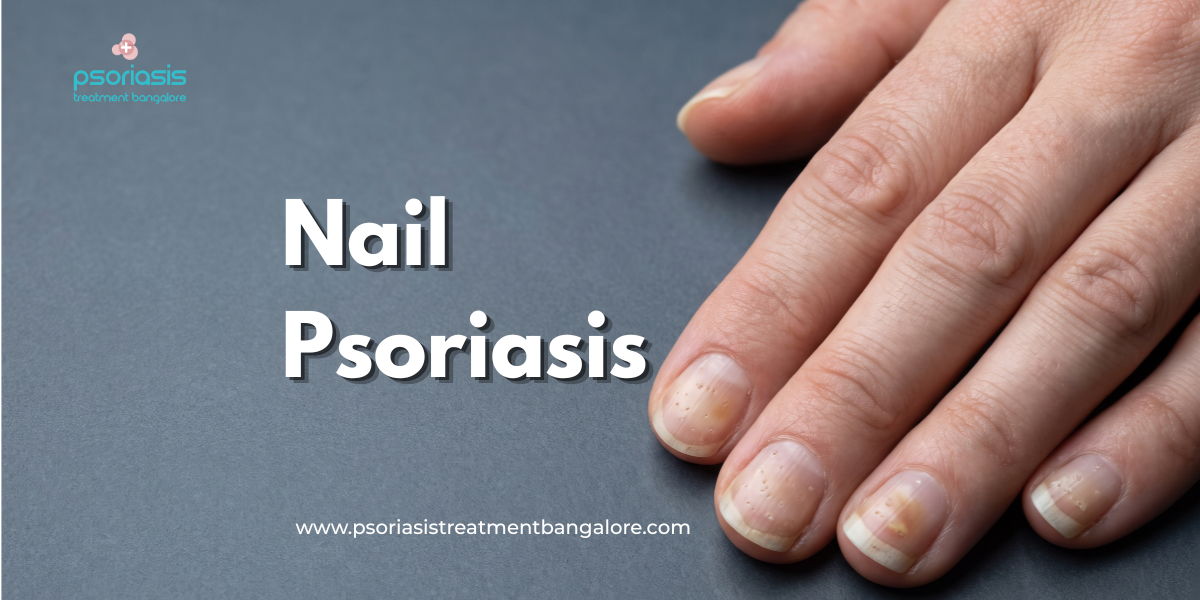
Nail Psoriasis: The Complete Clinical and Patient Guide
Nail psoriasis sits at an unusual crossroads in dermatology. It’s often dismissed as a cosmetic nuisance, yet research increasingly treats it as one of the more clinically significant signals in the entire psoriatic disease spectrum.
This guide brings together current research on what nail psoriasis actually is, why it behaves so differently from skin plaques, and what the evidence says about diagnosing and treating it effectively.
Why Nail Psoriasis Deserves Its Own Deep Dive
Most general psoriasis resources mention nail involvement only briefly, as a footnote to skin disease. That framing undersells the nail unit’s genuinely distinct biology, its outsized quality-of-life impact, and its unusual predictive relationship with joint disease, all of which are explored in depth throughout this guide.
Understanding nail psoriasis on its own terms, rather than as a minor variation of skin psoriasis, changes how both patients and clinicians should approach it. A single pitted nail can carry real clinical significance, and treating it as trivial is one of the more common, avoidable mistakes in psoriasis care.
What Is Nail Psoriasis?
Nail psoriasis is a chronic, immune-mediated manifestation of psoriasis that affects the nail unit, a small but structurally complex part of the body made up of the nail matrix, nail bed, nail plate, and surrounding folds. As explained in our “What Causes Psoriasis?” guide, the same overactive immune signaling that drives skin plaques also disrupts the normal, orderly growth of nail tissue.
Because the nail matrix and nail bed each contribute different visible changes, nail psoriasis can look quite different from one patient to the next, and even from one nail to another on the same hand. This variability is part of why accurate diagnosis, covered in depth later in this guide, matters so much.

Not Just “Skin That Happens to Grow a Nail”
It’s tempting to think of the nail as simply an extension of the surrounding skin, but the nail unit is a genuinely distinct, specialized structure with its own growth cycle, blood supply, and biomechanical role. This distinctiveness is part of why nail psoriasis doesn’t always track neatly with skin psoriasis severity, a theme that recurs throughout this guide.
Understanding the nail as its own biological system, rather than an afterthought to the skin, also helps explain why nail-specific research, diagnostic tools, and treatment comparisons, all covered in this guide, have become their own dedicated area of dermatological study rather than being folded entirely into general psoriasis literature.
The Two Structures Involved
The nail matrix, tucked beneath the cuticle, is where new nail cells are actually produced. When inflammation affects the matrix, it disrupts cell formation directly, typically producing pitting, ridging, leukonychia (white patches), and red spots visible through the nail’s surface.
The nail bed, the tissue directly beneath the visible nail plate, responds differently to inflammation. Nail bed involvement tends to produce onycholysis (nail plate separation), subungual hyperkeratosis (thickened debris beneath the nail), oil-drop or salmon-patch discoloration, and splinter hemorrhages.

How Common Is Nail Psoriasis?
Nail involvement is genuinely common in psoriasis, though exact figures vary depending on the population studied. Understanding this range helps put any individual patient’s experience in context.
Prevalence Figures
Estimates vary fairly widely across studies, reflecting differences in study population and disease duration. The prevalence of nail involvement in psoriasis patients varies between 15% and 79%, according to a comprehensive clinical review of the condition.
Other major sources converge on a somewhat narrower, frequently cited range. Nail disease is documented in up to 50% of patients with psoriasis and up to 80% of patients with psoriatic arthritis. This gap between skin-only and joint-involved patients is not a coincidence, and the biological reason behind it is explored in detail later in this guide.
When Nail Psoriasis Appears Without Any Skin Disease
Nail psoriasis doesn’t always follow skin involvement; sometimes it’s the very first, or only, sign of the disease. Approximately 5% of cases involve isolated nail psoriasis without any accompanying skin lesions, according to a report drawn from four decades of specialized nail consultations.
This is a clinically important figure, because it means nail changes alone, without any visible plaques elsewhere, should never be automatically dismissed as “just a nail problem.” As covered in our psoriasis diagnosis guide, isolated nail-only presentations are among the more commonly delayed psoriasis diagnoses.
Age, Duration, and Cumulative Risk
Nail involvement tends to become more common the longer a person has had psoriasis, reflecting cumulative disease activity over time rather than a fixed, one-time risk. This means a patient newly diagnosed with skin psoriasis shouldn’t necessarily expect immediate nail involvement, but should understand that the likelihood increases with disease duration.
This pattern reinforces a theme found throughout this guide: nail psoriasis is not a separate, unrelated condition that either happens or doesn’t, but rather one expression of the same underlying chronic disease process, whose visible manifestations can shift and expand over a person’s lifetime with psoriasis. Regular skin and nail checks over the years, not just at initial diagnosis, help catch this evolution as it happens.
Fingernails vs. Toenails: A Meaningful Distinction
Epidemiological data consistently shows fingernails are affected more often than toenails, a pattern with a fairly intuitive biological explanation. Faster-growing fingernails turn over inflamed tissue more quickly and are also simply observed more often by patients and clinicians during routine activities, likely contributing to both genuinely higher rates and more frequent detection.
Etiopathogenesis: Why Nail Psoriasis Behaves Differently
For years, nail psoriasis was assumed to follow the exact same disease mechanism as skin plaques. More recent research has revealed a more nuanced picture, one with real implications for how nail disease relates to joint disease.
A Shared Foundation, With Key Differences
Nail psoriasis shares the same broad immune-mediated inflammatory foundation described in our “Inflammation and Psoriasis” guide. However, emerging g enetic and microanatomical research suggests the nail unit may not simply be “skin that happens to be near a nail.”
Although type 1 psoriasis is strongly linked to the human leucocyte antigen-Cw6, recent genetic studies suggest that both joint and nail disease do not share this same genetic association. This is a meaningful finding: it suggests nail psoriasis and skin psoriasis, while related, may not be driven by identical genetic risk factors in every patient.
CD8+ T Cells and a Pathway Closer to Joint Disease Than Skin Disease
The immune cell types driving inflammation may also differ between the nail and the skin. Research increasingly points toward CD8+ T cells playing a more crucial role in the pathogenesis of nail psoriasis, through a pathogenic pathway similar to that of psoriatic arthritis and different from that of the skin, which is more dependent on CD4+ T cells.
This distinction matters beyond pure biology. It helps explain a pattern dermatologists and rheumatologists have long observed clinically: nail disease often tracks more closely with joint disease than with the extent of skin involvement.
The Nail-Enthesis Connection
Perhaps the single most fascinating development in understanding nail psoriasis is its anatomical and functional relationship to a joint structure called the enthesis. This connection helps explain why nail changes carry such outsized clinical significance.
An enthesis is the attachment point where a tendon or ligament connects to bone. Nail changes appear to result from the close relationship between the nail and the enthesis of the distal interphalangeal extensor tendon, one of the main entheseal compartments affected in psoriatic arthritis.
Ultrasound-based research has directly demonstrated this anatomical link in living patients. Studies show a correlation between nail ultrasound changes and both clinical nail disease and distal interphalangeal joint enthesis changes, confirming that nail and joint tissue in this specific area are functionally, not just coincidentally, connected.
An Ongoing Scientific Debate
It’s worth noting honestly that this exact mechanism remains an area of active scientific debate rather than settled fact. Some microanatomical and immunohistochemical studies show that DIP joint arthritis is not simply an extensor tendon enthesitis, and that inflammatory infiltrate is usually not found in the fascia connecting the nail to the extensor tendon, complicating a purely anatomical explanation.
Regardless of the exact mechanism, the clinical association between nail disease and joint disease is well established even if its precise biological explanation is still being refined. This is exactly the kind of nuance a good dermatologist can help patients understand without oversimplifying the science.
Vascular Changes in the Nail Unit
Beyond immune cell activity, blood vessel changes play a measurable role in nail psoriasis, mirroring the broader inflammatory-vascular connection discussed in our “Inflammation and Psoriasis” guide. Imaging studies using nailfold videocapillaroscopy, a technique that directly visualizes tiny blood vessels at the base of the nail, have documented distinctive vascular abnormalities in psoriasis patients.
These vascular findings align with what’s observed in psoriatic skin and joint tissue more broadly. Dysregulated angiogenesis, the abnormal formation of new blood vessels under inflammatory stimulation, appears to be a shared feature connecting nail, skin, and joint disease, reinforcing the idea that these are different expressions of a single underlying inflammatory process rather than entirely separate conditions.
Genetic Factors Specific to Nail and Joint Disease
Beyond the HLA-Cw6 distinction discussed above, researchers continue to investigate whether other genetic variants specifically predispose patients to nail and joint involvement, as distinct from skin-only disease. This remains an active area of research, and no single genetic test currently exists to predict which psoriasis patients will go on to develop significant nail or joint involvement.
What is reasonably well established is that family history of psoriatic arthritis, not just psoriasis generally, appears to raise an individual’s own risk of both joint and nail involvement. This is worth mentioning to your dermatologist if it applies to your family history, since it may reasonably justify closer monitoring even before any nail or joint symptoms appear.
Nail Psoriasis as a Predictor of Psoriatic Arthritis
This is arguably the most clinically important fact in this entire guide, and one that deserves its own dedicated section. Nail psoriasis isn’t just a skin-adjacent inconvenience; it’s a recognized, meaningful warning sign for joint disease.
The Predictive Relationship
Research has directly examined whether nail changes can help forecast who is more likely to develop psoriatic arthritis. Nail psoriasis has been proposed as a predictor for the development of psoriatic arthritis, given its close relationship to enthesitis, an early inflammatory change seen in the joint disease.
This predictive value has practical, real-world importance. Skin lesions precede articular symptoms in more than 75% to 80% of patients with psoriatic arthritis, meaning dermatologists may play a key role in the early detection and management of the joint disease before a rheumatologist ever becomes involved.
Why This Should Change How Nail Changes Are Treated Clinically
Given this connection, nail changes deserve more clinical weight than their small physical size might suggest. As covered in our psoriasis diagnosis guide, nail involvement is one of the strongest features associated with a positive psoriatic arthritis screening result on tools like PEST.
This is precisely why our pillar guide’s emphasis on regular, structured psoriatic arthritis screening applies with particular force to anyone with nail psoriasis. A nail change that might seem purely cosmetic could reasonably prompt a more thorough joint assessment, even in the absence of obvious joint pain.
Clinical Presentation: What Nail Psoriasis Looks Like
Recognizing the specific signs of nail psoriasis, and understanding which structure they originate from, helps both patients and clinicians track the condition more precisely.

Nail Matrix Signs
Pitting appears as small, pinpoint depressions across the nail surface, resulting from disrupted keratinization in the proximal matrix. This is one of the most recognizable, and most commonly cited, nail psoriasis signs.
Leukonychia shows up as white patches or spots within the nail plate, caused by abnormal keratinization affecting nail transparency. Red spots in the lunula, the pale half-moon at the nail’s base, and crumbling of the nail plate are two further matrix-driven signs.
Nail Bed Signs
Onycholysis, the separation of the nail plate from the underlying nail bed, often appears with a distinctive salmon-pink or yellowish border, sometimes called an “oil-drop” sign. Subungual hyperkeratosis refers to a buildup of scaly, crumbly debris beneath the nail, which can push the nail plate upward and cause noticeable thickening.
Splinter hemorrhages appear as small, linear, reddish-brown streaks running along the nail, resulting from tiny capillary bleeds in the nail bed. Several of these signs frequently occur together in the same nail, reflecting combined matrix and bed involvement.
The Nail Folds and Hyponychium
Beyond the matrix and bed, psoriasis can also affect the surrounding nail folds, the skin bordering the nail plate on its sides and base. Inflammation here can cause redness, swelling, and tenderness, sometimes overlapping with or resembling paronychia, a bacterial or fungal infection of the same tissue.
The hyponychium, the small strip of skin beneath the free edge of the nail, can also become involved, contributing further to subungual debris and discomfort. Because so many small structures are packed into such a small physical space, even limited inflammation can produce a surprisingly wide variety of visible changes.

Why Understanding Nail Anatomy Helps Explain Treatment Difficulty
Each of these structures responds differently to inflammation and to treatment, which is part of why nail psoriasis rarely improves uniformly. A single nail might show active matrix inflammation, healed bed changes, and mild fold involvement all at once, each progressing on its own timeline.
This structural complexity is one reason experienced nail specialists often examine each affected nail individually rather than forming a single overall impression, since two nails on the same hand can genuinely be at very different stages of active disease and recovery. Recognizing this variability helps set more accurate, nail-by-nail expectations rather than a single blanket prediction for “how the hands are doing” as a whole, and it underscores why a rushed, cursory glance at the hands is rarely sufficient for genuinely thorough nail psoriasis follow-up care.
Skin of Color Considerations
As discussed in our pillar guide’s clinical aspects section, presentation nuances relevant to skin of color extend to the nails as well. Nail bed discoloration patterns can be less immediately obvious against naturally darker nail beds, which is one more reason a clinician experienced in recognizing psoriasis across skin tones matters for accurate, timely diagnosis.
Dermoscopy of the Nail
Magnified examination of the nail, using the same dermoscopy tool discussed in our pillar guide’s investigations section, can help clarify subtle or early nail psoriasis before more visible changes develop. Dermoscopic examination can reveal capillary changes in the nail bed and subtle pitting patterns not easily seen with the naked eye, supporting earlier, more confident diagnosis.
This tool is particularly useful for distinguishing early nail psoriasis from early-stage fungal infection, since the two can look nearly identical to the naked eye in their initial stages. As with skin dermoscopy, this remains a supporting tool rather than a replacement for the more definitive testing discussed later in this guide.
Patterns of Nail Involvement
Nail psoriasis doesn’t always affect every nail equally, and recognizing common patterns can itself be diagnostically useful. Some patients show involvement concentrated in just one or two nails, often the thumbnail or big toenail, while others show widespread, symmetric involvement across most fingernails and toenails simultaneously.
Fingernails are affected more frequently than toenails overall, likely reflecting their faster growth rate and correspondingly more frequent visible turnover of affected tissue. Asymmetric, single-nail presentations can be particularly prone to misdiagnosis as trauma or fungal infection, reinforcing the importance of the differential diagnosis process covered later in this guide.
Nail Psoriasis in Children
Nail involvement in children follows a somewhat different pattern than in adults, and it carries its own diagnostic and treatment considerations. As with pediatric psoriasis generally, discussed in our pillar guide, subtlety of presentation is a recurring theme.
Recognition Challenges
Early nail changes in children can be genuinely easy to miss or misattribute to minor trauma, nail-biting, or simple dryness. Because children’s nails are smaller and often less closely examined than adults’ during routine visits, isolated pitting or ridging may go unnoticed for some time.
Treatment Considerations Specific to Children
As covered in our nail psoriasis treatment guide, more invasive treatments like intralesional steroid injections are not appropriate for children, given both the discomfort involved and the smaller, more delicate nail units at this age. Gentler topical approaches, combined with careful monitoring, are generally favored as the starting point for pediatric nail disease.
Because nail growth in children can differ somewhat from established adult growth rates, treatment timelines should be discussed individually with a pediatric dermatologist. Family history and any accompanying skin or joint symptoms should always be part of a thorough pediatric nail evaluation.
Psychological Impact in Younger Patients
As discussed in our pillar guide’s pediatric psoriasis section, visible skin and nail changes can carry a particular social weight for children and teenagers navigating school and peer relationships. Nail changes on the hands are especially hard to conceal during everyday activities like sports, art class, or simply shaking hands, making this an area worth checking in on emotionally, not just physically, during pediatric follow-up visits.
Distinguishing Nail Psoriasis From Common Childhood Nail Habits
Nail-biting, picking, and minor repetitive trauma are extremely common in childhood and can produce nail changes that superficially resemble early psoriasis. A careful history, including asking directly about habits like nail-biting, helps avoid both overdiagnosis and underdiagnosis in this age group, and distinguishing between habit-related and inflammatory nail changes sometimes benefits from the same dermoscopy or histopathology tools discussed later in this guide.
Investigations and Diagnosis
Diagnosing nail psoriasis accurately is genuinely more difficult than diagnosing skin psoriasis, largely because of how closely it can resemble other, more common nail conditions.
The Central Diagnostic Challenge: Distinguishing From Onychomycosis
Fungal nail infection is, by a wide margin, the most important condition to distinguish nail psoriasis from, and it’s often the hardest. Despite their different causes and course, nail psoriasis and onychomycosis have much in common both clinically and histopathologically, rendering their distinction often very challenging.
Complicating matters further, these two conditions are not mutually exclusive. Coexistence of onychomycosis and nail psoriasis also occurs, since both are common disorders in the general population, and a patient can genuinely have both conditions on different nails, or even the same nail, at once.
Why Testing for Fungus Is a Mandatory Step
Given this overlap, skipping fungal testing before starting nail psoriasis treatment is a genuine clinical risk. All patients should be tested for onychomycosis before starting therapy, according to a comprehensive clinical review of nail psoriasis management.
Standard fungal culture has real limitations worth understanding. Fungal cultures take four to six weeks to result, give false-negative results in 30% to 50% of cases, and cannot distinguish between a true invasive infection and simple colonization. This is exactly why relying on culture results alone can be misleading.
Histopathology of Nail Clippings
A faster, more reliable alternative has become increasingly favored in specialized nail clinics. Histopathology of nail clippings takes only one to three days, is twice as sensitive as culture, is insensitive to contamination, and allows differentiation between true infection and simple contamination, though it cannot identify the specific fungal species involved.
A diagnostic adjunct to clinical diagnosis that avoids an invasive biopsy is histopathological examination of nail clippings, including as much of the subungual hyperkeratosis as possible. This relatively simple, low-discomfort test has become an important tool for resolving genuinely ambiguous cases.
Other Conditions in the Differential Diagnosis
Beyond fungal infection, several other conditions can mimic nail psoriasis and deserve consideration during a thorough workup. Age-related changes from trauma, peripheral artery disease, chronic venous stasis, and peripheral neuropathy can all cause nail changes that may be confused for nail psoriasis, though these typically lack the other signs of psoriasis seen elsewhere.
Medications are worth ruling out as well. Many medications can cause nail changes, so reviewing any recent medication changes is an essential part of accurate diagnosis.
A specific, lesser-known mimicking condition also deserves mention. Asymmetric gait nail unit syndrome, seen mainly in the big toenail, presents as onycholysis without the other diagnostic criteria of nail psoriasis or onychomycosis, and results from mechanical, gait-related pressure rather than any inflammatory or infectious process.
Nail lichen planus, alopecia areata affecting the nails, Darier’s disease, and Hailey-Hailey disease round out the more common conditions worth ruling out, particularly in cases with an atypical pattern or poor response to standard nail psoriasis treatment.
A Practical Comparison: Nail Psoriasis vs. Onychomycosis
Because this specific distinction causes the most real-world diagnostic confusion, a side-by-side comparison of typical features can help, while remembering that overlap and exceptions are common. Nail psoriasis more often shows symmetric involvement across multiple nails, pitting, and salmon-colored onycholysis borders, along with visible psoriasis elsewhere on the skin or a family history of the condition.
Onychomycosis, by contrast, more often begins asymmetrically in a single nail before potentially spreading, tends to start at the distal or lateral nail edge, and is more common in toenails than fingernails, particularly in patients with a history of athlete’s foot or communal shower or pool exposure. Neither pattern is fully reliable on its own, which is precisely why the confirmatory testing discussed above remains necessary rather than optional.
Waxing and Waning as a Clinical Clue
One additional distinguishing pattern deserves mention. Nail psoriasis frequently shows a waxing and waning course, improving and worsening over time in step with overall disease activity, whereas untreated fungal infection tends to progress more steadily without spontaneous improvement.
This pattern isn’t diagnostic on its own, but a nail condition that has visibly improved and worsened repeatedly over months or years leans the clinical picture meaningfully toward psoriasis rather than an untreated fungal infection.
The NAPSI Scoring System
Once a diagnosis is confirmed, tracking severity accurately matters just as much as the diagnosis itself. The Nail Psoriasis Severity Index (NAPSI) is a physician-administered tool that evaluates the nail matrix and nail bed separately for each fingernail, providing an objective, trackable severity score rather than a subjective impression.
NAPSI divides each nail into quadrants, scoring the matrix and bed separately from 0 to 4 each, for a total possible score of 0 to 8 per nail, with all evaluated nails summed for a total score. This scoring approach allows meaningful, standardized comparison of treatment response over time, both in clinical practice and in research trials.
Newer technology is beginning to support this scoring process directly. Researchers have developed and validated deep learning-based tools for automated scoring of nail psoriasis severity, aiming to improve consistency and reduce the workload involved in manual NAPSI assessment. While not yet standard in most clinics, this reflects a broader trend toward more precise, technology-assisted severity tracking.
Simplified and Target-NAPSI Variants
Because full NAPSI scoring across all twenty fingernails and toenails is time-consuming, researchers have developed streamlined variants better suited to routine clinical practice. Target-NAPSI focuses on scoring just one or a few representative nails, chosen for their clear, trackable involvement, rather than every nail on both hands and feet.
This approach trades some comprehensiveness for practicality, and it’s the version most commonly used in the clinical trials cited throughout this guide’s treatment section. For everyday clinical use, tracking a single representative nail consistently over time often provides enough information to judge whether a treatment is working, without requiring the full, more time-intensive assessment at every visit.
Why Nail Psoriasis Is Uniquely Difficult to Treat
Nail psoriasis has a well-earned reputation as one of the most stubborn manifestations of the disease. Several distinct factors, both structural and biological, combine to explain why.
The Nail Plate as a Physical Barrier
Unlike skin, where a topical cream sits directly on the affected tissue, the nail plate itself is a dense, hard barrier separating most medications from the inflamed tissue underneath. This structural reality limits topical treatment effectiveness far more than it does for plaque psoriasis elsewhere on the body.
Skin Clearance Doesn’t Guarantee Nail Clearance
This is one of the more frustrating patterns for patients, and it’s well documented in clinical literature. Traditional systemic therapies can achieve complete skin clearance while nail psoriasis persists largely unchanged, since nail response doesn’t always track proportionally with skin response.
The Fixed Constraint of Nail Growth
Even a perfectly effective treatment cannot outrun basic nail biology. Fingernails grow at roughly 3.47 millimeters per month and take about four to six months to fully regrow from base to tip, while toenails grow at less than half that rate, around 1.62 millimeters per month, and can take twelve to eighteen months for complete regrowth.
This single fact shapes nearly every realistic timeline discussed in nail psoriasis treatment. No topical, systemic, or biologic therapy, however effective, can make already-formed, damaged nail tissue disappear faster than new, healthy tissue can physically replace it.
Treatment Response Varies Widely Between Individuals
Even accounting for growth-rate constraints, individual response to any given nail psoriasis treatment varies considerably from patient to patient, mirroring the broader treatment-response variability discussed in our pillar guide’s limitations section. This is part of why the biologic comparison data presented later in this guide should be understood as population-level averages rather than a guarantee for any specific individual.
Deeper inflammation, specifically involving the nail matrix rather than just the nail bed, tends to be harder to treat and slower to resolve than more superficial bed-only involvement. This is one more reason accurate NAPSI-style assessment, distinguishing matrix from bed involvement specifically, meaningfully informs treatment planning rather than being purely academic.
Emerging Research and Future Directions
Nail psoriasis research has accelerated meaningfully in recent years, driven partly by growing recognition of its predictive relationship with psoriatic arthritis. A few developing areas are worth watching.
Imaging-Based Early Detection
Ultrasound and advanced imaging techniques, similar to those used in the nail-enthesis research discussed earlier in this guide, are being explored as tools to detect subclinical nail and joint changes before they become visible or symptomatic. If validated further, this kind of imaging could eventually help identify psoriasis patients at especially high risk for psoriatic arthritis, well before conventional screening tools would catch it.
Artificial Intelligence in Severity Scoring
As mentioned earlier, deep learning-based tools for automated NAPSI scoring are an active area of development, aiming to make severity tracking faster, more consistent, and less dependent on individual examiner experience. Wider adoption of these tools could eventually make structured nail monitoring more accessible outside specialized nail clinics.
Targeted Nail-Specific Drug Delivery
Given how much of nail psoriasis’s treatment difficulty comes down to the nail plate’s physical barrier properties, researchers continue exploring improved topical delivery systems, including specialized lacquers, iontophoresis-based delivery, and other technologies designed to help medication penetrate the nail plate more effectively. Progress here could meaningfully expand what topical treatment alone can achieve, without needing to escalate to systemic therapy for milder cases.
Treatment Options for Nail Psoriasis
Treatment selection depends on disease severity, the number of nails involved, whether skin or joint disease coexists, and how significantly the condition affects a patient’s daily life and quality of life, discussed further below.
Topical Treatments
Topical corticosteroids and vitamin D analogues, applied to the nail folds and beneath the free edge of the nail, remain a reasonable first-line option for milder, more limited nail involvement. Clinical trial data supports meaningful, if partial, benefit from this approach.
In a controlled study using twice-weekly clobetasol nail lacquer over 16 weeks, the treated group showed a 51% improvement in modified NAPSI score compared to baseline, with no significant difference detected between different steroid concentrations tested. This illustrates both the real potential and the real limitations of topical treatment for a condition where medication penetration is inherently restricted.
Intralesional Corticosteroid Injections
For more resistant, localized nail involvement in adults, injecting steroid directly into the nail matrix can be more effective than topical treatment alone. These injections are typically administered at monthly intervals over four to six months, matching approximately the time needed for the nail to fully regrow and for treatment results to become visible.
This approach requires real commitment given its discomfort and the number of visits involved, and it is not considered appropriate for pediatric patients. It remains, however, one of the more targeted options available when topical treatment alone isn’t sufficient.
Systemic and Biologic Therapy
For moderate to severe nail involvement, particularly alongside skin or joint disease, biologic therapy has become the most effective category of treatment currently available, backed by substantial comparative research.
A systematic review found that at 24 weeks, brodalumab achieved the highest mean NAPSI improvement at 76.9%, followed by etanercept at 74% and ixekizumab at 70.5%, while adalimumab and ixekizumab were associated with the greatest likelihood of achieving complete nail clearance, at 44.6% and 41% respectively.
IL-17 inhibitors have particularly strong trial data specific to nail outcomes. In the TRANSFIGURE trial, secukinumab produced a 37.9% to 45.3% reduction in mean NAPSI score by week 16, compared to just 10.8% with placebo, a clinically meaningful and statistically significant difference.
Head-to-head comparisons have also directly favored certain agents for nail-specific outcomes. In the SPIRIT-H2H trial, a 52-week study of 368 patients with nail involvement, ixekizumab produced a greater decrease in mean target NAPSI score at week 24 compared to adalimumab.
Newer IL-23 inhibitors are showing encouraging results in difficult-to-treat sites as well. A retrospective analysis of tildrakizumab used specifically for difficult-to-treat psoriasis locations, including nails, scalp, and palms, found meaningful severity score improvement between baseline and 28 weeks of treatment.
Newer Oral Options: Apremilast and JAK Inhibitors
Beyond injectable biologics, newer oral small-molecule therapies have shown meaningful benefit for nail disease as well. Apremilast, which works through a different mechanism than biologics, has demonstrated measurable NAPSI improvement in clinical trials, offering an oral alternative for patients who prefer to avoid injections or aren’t candidates for biologic therapy.
Newer oral JAK inhibitors, a drug class discussed in relation to other inflammatory conditions, are also being studied specifically for nail and difficult-to-treat site psoriasis. As with any newer drug class, the safety monitoring requirements discussed in our psoriasis diagnosis guide apply, and the choice between oral small molecules and injectable biologics should be made individually with a dermatologist.
Combination Approaches
In clinical practice, nail psoriasis is often treated with a combination of approaches rather than a single therapy in isolation. A patient on systemic or biologic treatment for skin and joint disease might still use adjunct topical treatment on particularly resistant nails, aiming to accelerate local improvement alongside the broader systemic effect.
This layered approach reflects the reality that nail response can lag behind skin and joint response even on an effective systemic therapy. Discussing this possibility with your dermatologist, rather than assuming one treatment must work in isolation, often leads to a more realistic and ultimately more successful long-term plan.
Safety Monitoring During Systemic Nail Treatment
Because systemic and biologic treatment for nail psoriasis uses the same drug classes discussed throughout our pillar guide’s treatment section, the same baseline and ongoing safety monitoring applies. As detailed in our psoriasis diagnosis guide, this includes tuberculosis screening, hepatitis panels, and periodic blood count and liver function testing, regardless of whether the treatment is being used primarily for skin, joint, or nail disease.
This is worth emphasizing because patients sometimes assume nail-focused treatment carries a different, lighter safety profile than treatment aimed at skin or joints. In reality, once a systemic or biologic therapy is chosen, the same monitoring schedule applies across the board, since the medication itself, not the specific body site being treated, determines the relevant safety considerations.
Choosing the Right Biologic for Nail-Predominant Disease
Given how much comparative data now exists, biologic selection for nail-predominant psoriasis is a genuinely specialized decision rather than a one-size-fits-all choice. As covered in our “Creating Treatment Goals” guide, applying a treat-to-target approach using NAPSI specifically, rather than PASI alone, gives a more accurate picture of whether a chosen biologic is actually working for nail disease.
Phototherapy: Limited Usefulness
Light-based therapy, including PUVA, is occasionally used for nail psoriasis, but its practical usefulness is limited once nails become significantly thickened, since light penetration faces many of the same physical barrier problems as topical treatment. It is rarely considered a primary treatment choice for nail-predominant disease.
Limitations of Current Nail Psoriasis Treatment
Even with modern biologic therapy, nail psoriasis treatment carries real, honest limitations worth understanding before starting any treatment plan.
No treatment can accelerate nail growth beyond its natural biological rate, meaning visible improvement inherently takes months regardless of how effective a chosen therapy proves to be. This makes early treatment discontinuation, out of frustration with slow visible progress, one of the more common and avoidable reasons nail treatment appears to “fail.”
Nail response and skin response don’t always move together, meaning a biologic chosen primarily for its skin-clearing power may underperform for nail disease specifically, and vice versa. This is exactly why nail-specific severity tracking through NAPSI, rather than relying on skin appearance alone, matters throughout treatment.
Cost and access to advanced biologic therapy remain real-world barriers, echoing the broader treatment cost considerations discussed in our “Psoriasis Treatment Cost in India” guide. For patients where biologic therapy isn’t accessible, realistic expectations around slower, more modest improvement with topical or intralesional treatment become especially important to set clearly from the outset.
Why Photographic Tracking Helps
Given how gradually nail improvement unfolds, many dermatologists recommend patients take periodic photographs of affected nails, ideally at consistent intervals and lighting, to track change over months rather than relying on memory alone. Side-by-side comparison photos often reveal genuine progress that’s easy to miss day to day, helping maintain motivation through what can otherwise feel like an unrewardingly slow process.
This kind of structured tracking pairs naturally with the NAPSI-based clinical monitoring discussed earlier, giving both patient and physician concrete, comparable evidence of whether a given treatment is working. It also helps distinguish genuine treatment failure from simply insufficient elapsed time, a distinction that matters enormously given the growth-rate constraints discussed throughout this guide.
Complications and Quality of Life Impact
Nail psoriasis is frequently, and unfairly, treated as a minor cosmetic issue. Research on its actual impact tells a considerably more serious story.
A Disproportionate Impact Relative to Physical Size
Despite occupying a tiny fraction of total body surface area, nail disease carries an outsized psychosocial burden. While the nails represent a small portion of the body surface area, psoriasis in these areas can have a disproportionate influence on a patient’s physical and psychosocial activities.
This pattern holds true across nail disorders generally, not just psoriasis specifically. Nail disorders are associated with social stigma, cosmetic disfigurement, functional impairment, and financial burden, and healthy-looking nails play an important role in an individual’s body image and interpersonal relationships.
Measuring the Impact Directly
Researchers have developed several tools specifically to capture this burden in nail psoriasis. The Nail Assessment in Psoriasis and Psoriatic Arthritis Questionnaire (NAPPA-QoL) is a 20-item nail-specific quality of life questionnaire assessing nail status, stigma, emotional impact, and everyday life impact, distinct from general skin-focused tools like the DLQI.
For context on how meaningful these scores are, general DLQI benchmarks help. DLQI scores correlate as 0–1 representing no effect, 2–5 a small effect, 6–10 a moderate effect, 11–20 a large effect, and 21–30 an extremely large effect on a patient’s life, with a minimal clinically important difference of 4 points.
Functional Impairment
Nail disease isn’t just about appearance; it can genuinely interfere with everyday physical tasks. Thickened, painful, or separated nails can make fine motor tasks, gripping objects, and even walking (in the case of toenail involvement) genuinely difficult, echoing the functional impact discussed for palmoplantar psoriasis in our types-of-psoriasis guide.
The Psychological and Social Dimension
Because hands are among the most visible, socially exposed parts of the body, nail changes can carry a particular weight in social and professional settings. Handshakes, presentations, and everyday gestures all draw attention to the hands, making concealment far harder than it might be for a plaque hidden under clothing.
This visibility connects directly to the psychological aspects discussed in our pillar guide, where stigma and self-consciousness are recognized as genuine, clinically relevant aspects of psoriasis care rather than incidental concerns. For some patients, nail involvement becomes a specific, ongoing source of social anxiety distinct from, and sometimes more distressing than, their skin symptoms elsewhere.
Occupational Impact
Certain professions place particular value on visible hand appearance or require fine motor precision, from healthcare work to food service to creative and performing arts. Patients in these fields sometimes report nail psoriasis affecting their professional confidence or even career choices, an impact that’s easy to overlook in a condition often perceived as “just cosmetic.”
Coping Strategies Specific to Nail-Related Distress
Given how visible and hard to conceal nail changes on the hands can be, some coping strategies developed for skin-focused psoriasis distress, discussed in our pillar guide’s psychological aspects section, apply with particular relevance here. Connecting with other patients managing nail-predominant disease specifically, whether through support groups or online communities, can help address a form of distress that’s sometimes overlooked even within broader psoriasis support spaces.
Having a brief, matter-of-fact explanation ready for curious questions about nail appearance, similar to the approach suggested in our pillar guide, can reduce the social friction many patients experience around handshakes, manicure appointments, or simply resting their hands in view of others. This isn’t a substitute for effective treatment, but it can meaningfully ease the day-to-day social burden while treatment takes its necessarily gradual course.
Cost and Access Considerations
Treatment cost is a genuine, practical factor in nail psoriasis care, particularly given how long treatment courses typically need to run before results become visible. As covered in more depth in our “Psoriasis Treatment Cost in India” guide, costs vary enormously across topical, intralesional, and biologic treatment categories.
Why Nail-Focused Treatment Cost Deserves Its Own Consideration
Because nail psoriasis often requires sustained treatment over many months to see meaningful results, the cumulative cost of a treatment course deserves upfront discussion, not just the cost of a single prescription or visit. A topical regimen used consistently for six months, for instance, carries a meaningfully different total cost than the same product used for six weeks.
For patients where biologic therapy is financially out of reach, this is worth discussing openly with a dermatologist rather than quietly abandoning treatment altogether. As emphasized in our “Creating Treatment Goals” guide, a realistic, appropriately scaled treatment plan that a patient can actually sustain tends to produce better real-world outcomes than an ideal plan that gets abandoned after a few months due to cost.
Insurance and Documentation
Given nail psoriasis’s relationship to psoriatic arthritis risk, thorough documentation of nail findings, including NAPSI scoring where available, can sometimes support insurance approval for systemic or biologic therapy, particularly in cases where skin involvement alone might not meet a payer’s severity threshold. This is one more practical reason structured severity tracking benefits patients directly, not just their treating physicians.
Living With Nail Psoriasis: Practical Day-to-Day Care
Alongside medical treatment, several everyday habits can meaningfully support nail health and comfort while treatment takes its natural, growth-limited course.
Nail Care Basics
Keeping nails trimmed short reduces the risk of further separation and trauma-related Koebnerization, the same trauma-triggered flare phenomenon discussed in our “What Causes Psoriasis?” guide. Using a gentle, non-metal tool to clean beneath the nail, rather than aggressively digging out subungual debris, helps avoid additional injury to already-inflamed tissue.
Keeping nails dry and avoiding prolonged water exposure, including frequent hand-washing without proper drying, can reduce discomfort and limit secondary fungal or bacterial complications in already-compromised nail tissue. Wearing gloves for wet work or manual tasks is a simple, low-cost habit many patients find genuinely helpful.
Nail Cosmetics and Camouflage
Many patients reasonably want to conceal visible nail changes, particularly on fingernails. Breathable, water-permeable nail polishes designed for sensitive or damaged nails are generally preferable to heavy, occlusive acrylics or gel overlays, which can trap moisture and worsen onycholysis.
It’s worth discussing any regular use of artificial nails or gel manicures with a dermatologist, since the application and removal process can introduce additional trauma to an already vulnerable nail unit. This doesn’t mean cosmetic camouflage is off-limits, but a more cautious, nail-health-conscious approach tends to serve patients better long term.
Protecting Nails From Occupational Trauma
Certain occupations and hobbies involve repetitive nail trauma, from manual labor to frequent typing on certain keyboards to activities like rock climbing. Given the Koebner-related trigger risk discussed throughout this guide, protective measures like gloves or padding, where practical, can reduce unnecessary flare-ups in mechanically stressed nails.
Footwear Choices for Toenail Involvement
For patients with toenail psoriasis, footwear choice can meaningfully affect comfort and, potentially, mechanical trauma to already-inflamed nail tissue. Properly fitted shoes with adequate toe-box room reduce repetitive pressure on toenails, which matters given the Koebner phenomenon’s role in triggering new or worsening nail changes at sites of physical trauma.
Tight, narrow, or poorly fitted footwear can also complicate the asymmetric gait nail unit syndrome discussed earlier in this guide’s differential diagnosis section, sometimes making it genuinely difficult to distinguish mechanical from inflammatory toenail changes. Bringing a pair of frequently worn shoes to a dermatology consultation can occasionally provide useful diagnostic context in ambiguous toenail cases.
Coordinating Care Across Specialists
Given nail psoriasis’s documented relationship with joint disease, effective long-term management often benefits from coordinated care between a dermatologist and, when relevant, a rheumatologist. Neither specialist alone typically has full visibility into both the nail and joint dimensions of the disease.
Why This Coordination Matters in Practice
A dermatologist is generally best positioned to notice and evaluate nail changes during routine skin checks, given how often patients see dermatology before rheumatology for psoriatic disease. As discussed earlier in this guide, this positions dermatologists as important, often first-line gatekeepers for early psoriatic arthritis detection, precisely because skin and nail changes so often precede joint symptoms.
Once psoriatic arthritis is suspected or confirmed, ongoing collaboration between both specialists helps ensure treatment decisions account for the full picture, rather than optimizing for skin or nails at the potential expense of joint outcomes, or vice versa. This mirrors the multidisciplinary approach discussed in our pillar guide’s coverage of psoriasis as a systemic disease.
What Good Coordination Looks Like for Patients
Practically, this might mean your dermatologist directly communicates NAPSI findings and any suspected joint symptoms to a rheumatologist, rather than leaving patients to relay clinical details themselves. It can also mean treatment decisions, particularly around biologic selection, are made with input from both specialists when nail, skin, and joint disease all coexist.
Patients are well within their rights to ask directly whether this kind of coordination is happening, particularly if they’re managing nail psoriasis alongside confirmed or suspected joint symptoms. This kind of proactive, informed engagement reflects the broader theme of collaborative, patient-involved care emphasized throughout our pillar guide and “Creating Treatment Goals” guide alike.
Special Populations and Considerations
A few patient groups warrant additional, individualized thought when it comes to nail psoriasis management.
Pregnancy
As covered in our pillar guide’s pregnancy section, medication safety during pregnancy requires careful, individualized planning, and this applies directly to nail-focused treatment as well. Topical treatments generally remain the safer starting point during pregnancy, while systemic and biologic decisions should follow the same conservative, physician-guided approach discussed in our pillar guide.
Older Adults
Distinguishing true nail psoriasis from the nonspecific nail dystrophy common in older adults, often related to circulation changes, prior trauma, or peripheral neuropathy, requires particular diagnostic care. As noted earlier in this guide’s differential diagnosis section, these age-related changes typically lack the other clinical signs of psoriasis and shouldn’t automatically be attributed to the condition without proper evaluation.
Patients With Diabetes or Circulatory Conditions
Because reduced circulation and neuropathy can complicate both diagnosis and healing in the extremities, patients with diabetes or peripheral vascular disease may need closer coordination between their dermatologist and other treating physicians. This is particularly relevant for toenail involvement, where healing capacity and infection risk both warrant extra attention.
Why Ongoing Monitoring Matters for Nail Psoriasis Specifically
Everything covered in this guide points toward one consistent conclusion: nail psoriasis benefits enormously from sustained, structured medical follow-up rather than a single treatment plan set once and left unchanged.
Given nail psoriasis’s documented predictive relationship with psoriatic arthritis, regular reassessment isn’t just about tracking the nails themselves. It’s an opportunity to catch emerging joint symptoms early, exactly as emphasized throughout our pillar guide’s discussion of why constant doctor monitoring matters.
Given how slowly nails grow, follow-up visits also serve an important expectation-management function, helping patients distinguish between a treatment that genuinely isn’t working and one that simply hasn’t had enough time yet to show visible results. This distinction alone likely prevents a meaningful number of patients from abandoning effective treatment prematurely.
Common Myths About Nail Psoriasis
A few persistent misconceptions about nail psoriasis are worth addressing directly, since they can delay proper diagnosis or lead to frustration with genuinely effective treatment.
Myth: Nail psoriasis is just a cosmetic issue, not a real medical concern. As covered throughout this guide, nail psoriasis carries genuine functional impact, meaningful quality-of-life burden, and a clinically important relationship with psoriatic arthritis risk, making it far more than a cosmetic afterthought.
Myth: If a treatment isn’t working within a few weeks, it’s a failure. Given nail growth rates of several months to over a year, genuine treatment failure can’t reliably be assessed until well beyond the timeframes many patients expect based on how quickly skin plaques typically respond.
Myth: Nail psoriasis always means you’ll get psoriatic arthritis. The relationship is a meaningful, evidence-based risk marker, not a certainty, and many patients with nail psoriasis never go on to develop joint disease. It does, however, justify the kind of regular screening discussed in our psoriasis diagnosis guide.
Myth: There’s nothing you can do until nails fully regrow. Active treatment during the growth period genuinely does influence how healthy the new, emerging nail tissue looks, even though visible results take time to reach the nail’s free edge.
Myth: Nail psoriasis and fungal infection can be told apart just by looking. As discussed in this guide’s diagnosis section, the two conditions frequently overlap in appearance closely enough that proper testing is genuinely necessary, even for experienced clinicians.
Questions Worth Asking Your Dermatologist
Given everything covered in this guide, a few specific questions can help make the most of a nail psoriasis consultation. Bringing these into your appointment can lead to a more thorough, individually tailored plan.
Has my nail involvement been formally scored, and can we track it over time? Asking specifically about NAPSI or a similar structured measurement, rather than relying on general impressions, sets up more objective tracking from the start.
Should I be screened for psoriatic arthritis given my nail involvement? Given the predictive relationship discussed throughout this guide, this is a reasonable, evidence-based question even without current joint symptoms.
Has fungal infection been ruled out, and how? Confirming whether this was assessed clinically, through culture, or through nail clipping histopathology helps ensure the diagnosis is on solid footing before treatment begins.
What realistic timeline should I expect for this specific treatment? Given the growth-rate constraints discussed throughout this guide, a clear, individualized timeline helps set appropriate expectations from the outset.
If this treatment doesn’t work as expected, what’s the next step? Having this conversation early, rather than after a treatment has already seemed to fail, mirrors the proactive planning approach discussed in our “Creating Treatment Goals” guide. (For a full walkthrough of psoriasis treatment options generally, see our complete guide, “What Is Psoriasis? A Complete Guide to Causes, Symptoms, and Treatment.”)
A Practical Self-Monitoring Checklist
Bringing together the tracking concepts discussed throughout this guide, patients managing nail psoriasis may find it helpful to monitor a consistent set of factors between dermatology visits. This isn’t a replacement for professional NAPSI scoring, but it can meaningfully support the conversation at each follow-up appointment.
Track the number of affected nails and note any changes. Recording whether new nails have become involved, or whether previously affected nails show early signs of improvement, gives your dermatologist concrete, specific information rather than a general impression.
Photograph affected nails at consistent intervals. As discussed earlier in this guide, monthly photos taken in similar lighting create a genuinely useful visual record of change over the many months nail treatment typically requires.
Note any new joint symptoms specifically. Given the predictive relationship between nail psoriasis and psoriatic arthritis covered throughout this guide, any new joint pain, stiffness, or swelling, however mild, is worth recording and raising proactively rather than waiting to be asked.
Record treatment adherence honestly. If doses were missed, applications skipped, or a medication caused side effects that led to reduced use, sharing this openly helps your dermatologist distinguish true treatment failure from inconsistent use, exactly the kind of adherence conversation discussed in our “Creating Treatment Goals” guide.
Monitor for signs of infection. Increasing pain, redness, warmth, or discharge around a nail can indicate secondary bacterial or fungal infection layered on top of underlying psoriasis, and this warrants prompt evaluation rather than waiting for a routine follow-up.
Note any functional changes. Difficulty with fine motor tasks, discomfort while walking, or trouble with routine activities like typing or buttoning clothing all provide useful, concrete detail beyond what visual nail appearance alone conveys.
Bringing a simple record covering these points to each appointment helps ensure limited visit time is used efficiently, and it reinforces the collaborative, well-monitored approach to care that this guide has emphasized throughout.
Key Takeaways
Bringing together everything covered in this guide, a few core points are worth carrying forward. Nail psoriasis is a genuine, clinically significant manifestation of psoriatic disease, not a minor cosmetic footnote, and it deserves to be evaluated and treated with that seriousness in mind.
Its documented relationship with psoriatic arthritis means nail changes can serve as an early, actionable warning sign, making regular joint screening particularly relevant for anyone with nail involvement. Accurate diagnosis, especially ruling out fungal infection through proper testing, is a genuinely essential first step that shouldn’t be skipped, given how closely the two conditions can resemble each other.
Treatment timelines are governed by fixed nail growth rates that no therapy can outrun, meaning patience, structured tracking, and realistic expectations matter as much as the specific treatment chosen. Biologic therapy currently offers the strongest evidence-based results for moderate to severe nail involvement, though topical and intralesional options remain reasonable, more accessible starting points for milder disease.
Above all, nail psoriasis benefits from the same core principle emphasized throughout our entire pillar guide: sustained, well-coordinated, professionally monitored care produces meaningfully better outcomes than a one-time treatment plan left unrevisited for months or years at a time. Readers managing nail psoriasis alongside skin plaques, joint symptoms, or broader systemic concerns may also find it useful to revisit our companion guides on inflammation, treatment goals, and psoriasis diagnosis, each of which touches on themes directly relevant to nail-focused care.
Frequently Asked Questions
1. Can nail psoriasis occur without skin psoriasis?
Yes. Roughly 5% of nail psoriasis cases occur in isolation, without any accompanying skin plaques, which is one reason isolated nail changes shouldn’t be dismissed without proper evaluation.
2. Why is nail psoriasis linked to psoriatic arthritis?
Research points to a close anatomical and functional relationship between the nail unit and the enthesis of the distal interphalangeal joint, a key site of inflammation in psoriatic arthritis. This connection means nail changes can serve as an early clinical signal for joint disease, sometimes appearing before joint symptoms themselves.
3. How can I tell if my nail changes are psoriasis or a fungal infection?
Distinguishing the two can be genuinely difficult even for experienced clinicians, since they share many overlapping features and can occur together. Testing through fungal culture or, increasingly, histopathology of nail clippings is the most reliable way to confirm or rule out fungal infection before starting treatment.
4. What is the NAPSI score, and why does it matter?
NAPSI is a standardized scoring system that evaluates nail matrix and nail bed involvement separately for each nail, producing an objective severity score. It allows doctors to track treatment response over time based on real measurement rather than subjective impression alone.
5. How long does nail psoriasis treatment take to show results?
Early inflammation reduction can appear within weeks, but visible structural improvement in the nail itself typically takes 3 to 9 months or longer, tracking closely with natural nail growth rates. Toenails generally take considerably longer to show improvement than fingernails.
6. Are biologics more effective than topical treatment for nail psoriasis?
For moderate to severe nail involvement, clinical trial data consistently shows biologics like ixekizumab, secukinumab, brodalumab, and etanercept producing substantially greater improvement than topical treatment alone. Topical treatment remains a reasonable option for milder, more limited nail involvement.
7. Can nail psoriasis be cured permanently?
There is currently no permanent cure for nail psoriasis, consistent with psoriasis generally. Many patients achieve substantial, long-lasting improvement with consistent, well-chosen treatment, though ongoing management is typically needed to maintain results.
8. Is nail psoriasis more common in children or adults?
Nail psoriasis can occur at any age, but recognition in children is often delayed due to subtler early changes and less frequent close nail examination. Overall prevalence figures are drawn predominantly from adult populations.
9. Does treating my skin psoriasis automatically improve my nails too?
Not necessarily. Nail and skin disease don’t always respond proportionally to the same treatment, so a therapy that clears skin plaques may leave nail involvement largely unchanged, which is why nail-specific tracking matters.
10. Why does nail psoriasis affect quality of life so much given how small the nails are?
Research shows nail disorders carry a disproportionate psychosocial impact relative to their physical size, tied to visible social stigma, functional impairment in daily tasks, and their role in body image. Specialized quality-of-life tools have been developed specifically because general skin-focused measures don’t fully capture this nail-specific burden.
Sources and References
- “Assessing Comparative Efficacy of Biologics for the Treatment of Psoriasis With Nail Involvement: A Systematic Review,” PMC and PubMed, 2024.
- Dermatology Advisor, “New Targeted Biologic Therapies Effectively Treat Nail Psoriasis,” April 2025.
- “A Comprehensive Review of Ixekizumab Efficacy in Nail Psoriasis from Clinical Trials for Moderate-to-Severe Psoriasis and Psoriatic Arthritis,” Rheumatology and Therapy, Springer Nature, 2023.
- “Efficacy of Tildrakizumab for the Treatment of Difficult-to-Treat Areas: Scalp, Nail, Palmoplantar and Genital Psoriasis,” PMC.
- “Psoriasis Severity Index,” ScienceDirect Topics.
- International Psoriasis Council, “NAPSI: Nail Psoriasis Severity Index.”
- Medical News Today, “Nail Psoriasis Severity Index: What It Is, Symptoms, and Treatment,” July 2025.
- “Advancement and Independent Validation of a Deep Learning-Based Tool for Automated Scoring of Nail Psoriasis Severity Using the Modified Nail Psoriasis Severity Index,” Frontiers in Medicine, 2025.
- ClinicalTrials.gov protocol, “Benefit of Placebo and Different Concentrations of Triamcinolone Acetonide in Nail Psoriasis.”
- “Differential Diagnosis of Nail Psoriasis and Onychomycoses: A Report Based on 40 Years of Specialised Nail Consultations,” European Medical Journal, 2023.
- “Nail Psoriasis: Comprehensive Clinical Insights into Pathogenesis, Diagnosis and Multimodal Management Strategies,” Jendoubi F. et al., 2025.
- “Histopathological Differential Diagnosis of Nail Psoriasis and Onychomycosis,” Diagnostic Histopathology, Elsevier, 2024.
- “Nail Psoriasis: Clinical Features, Pathogenesis, Differential Diagnoses,” Psoriasis: Targets and Therapy, Dove Medical Press, 2017.
- “Nail Psoriasis,” StatPearls, NCBI Bookshelf, 2024.
- “The Impact of Nail Psoriasis and Treatment on Quality of Life: A Systematic Review,” PMC.
- “The Impact of Onychopathies on Quality of Life: A Hospital-Based, Cross-Sectional Study,” PMC.
- “The Nail in Psoriatic Arthritis: New Insights into Prognosis and Treatment,” Taylor & Francis Online, 2024.
- “Nail Psoriasis as a Predictor of the Development of Psoriatic Arthritis,” ScienceDirect and PubMed, 2015.
- “The Pathogenesis of Psoriatic Arthritis and Associated Nail Disease: Not Autoimmune After All?” PubMed.
- “The Relationship Between the Nail and Systemic Enthesitis in Psoriatic Arthritis,” PubMed, 2021.
- “Combined Semiquantitative Nail-Enthesis Complex Ultrasonography and Capillaroscopy in Psoriasis and Psoriatic Arthritis,” PMC and Frontiers in Immunology, 2024.
- Yaemsiri S., Hou N., Slining M.M., He K., “Growth Rate of Human Fingernails and Toenails in Healthy American Young Adults,” Journal of the European Academy of Dermatology and Venereology, PubMed, 2010.
This article is intended for general educational purposes and does not replace personalized medical advice. Anyone with nail changes should seek an accurate diagnosis from a qualified dermatologist before beginning any treatment plan, since the right approach depends heavily on distinguishing nail psoriasis from its many possible mimics and on tailoring treatment to the severity, location, and pattern of an individual’s specific nail involvement.