Treatments
Plaque Psoriasis Treatment
Scalp Psoriasis Treatment
Nail Psoriasis Treatment
Psoriatic Arthritis Treatment
Guttate Psoriasis Treatment
Palmoplantar Psoriasis Treatment
Why Choose Us
20+ Years of Specialized Psoriasis Expertise
Two decades of focused clinical experience in managing chronic psoriasis through personalized Ayurvedic treatment protocols.
Root-Cause, Holistic Treatment Approach
We address immunity, digestion, lifestyle, and stress factors—not just skin symptoms—for long-term psoriasis control.
Personalized & Safe Ayurvedic Care
Customized herbal medicines, diet guidance, and detox therapies designed for sustainable results without harsh side effects.
Best Psoriasis Treatment in Bangalore – Ayurvedic & Holistic Care
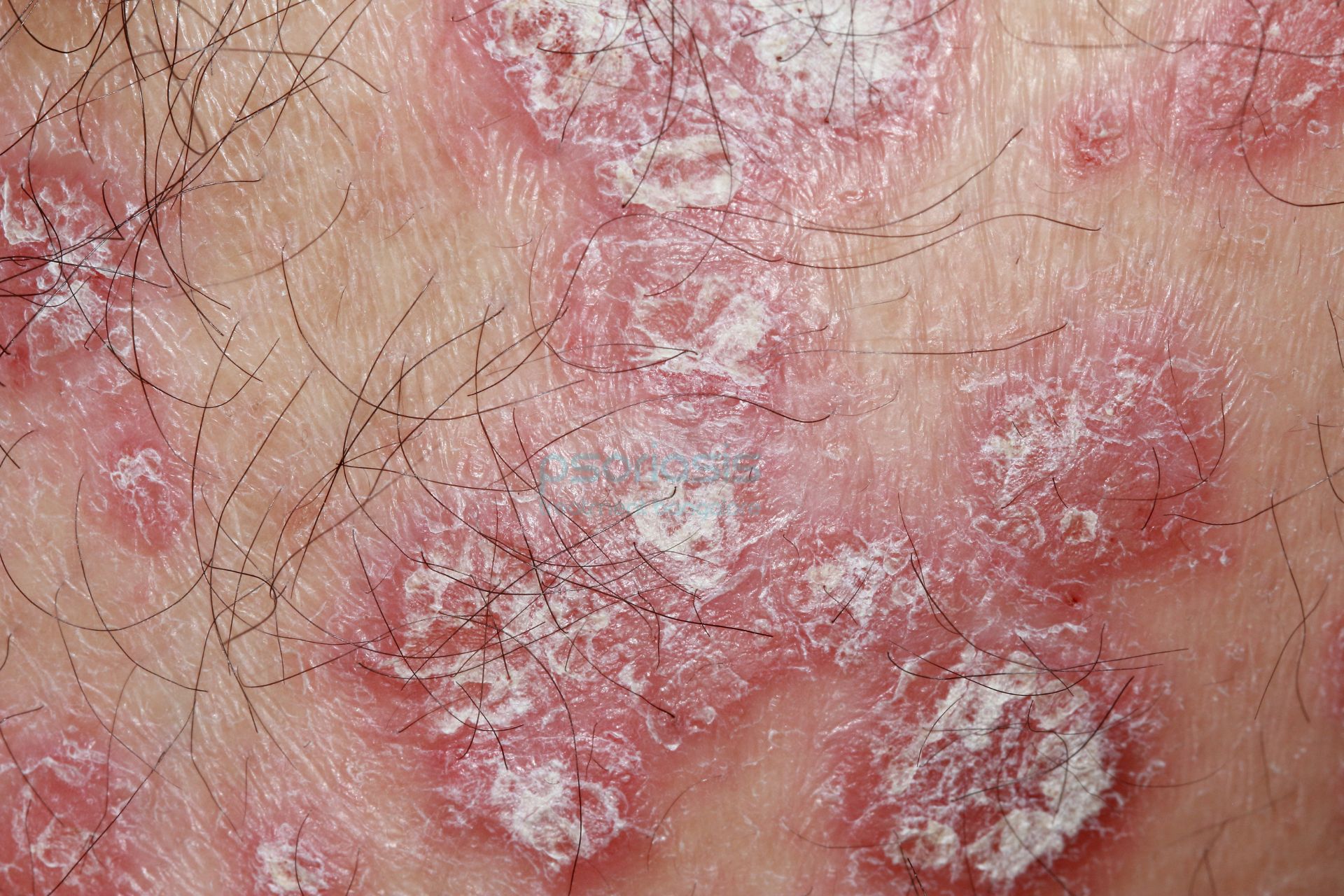
Psoriasis is a chronic autoimmune skin disorder that affects far more than the skin’s surface. For many individuals, it becomes a lifelong condition impacting physical comfort, emotional well-being, self-esteem, social confidence, and overall quality of life. Persistent itching, visible scaling, recurring flare-ups, and uncertainty about long-term control often leave patients frustrated and exhausted.
If you are searching for reliable, long-term psoriasis treatment in Bangalore, our specialized Ayurvedic clinic offers a holistic, non-steroidal, and root-cause–focused approach designed to manage psoriasis safely and sustainably. Rather than temporary symptom suppression, our treatment philosophy aims at long-term disease stability, reduced flare frequency, and improved quality of life.
With over 20 years of clinical experience in Ayurvedic skin care, we provide personalized psoriasis treatment plans based on classical Ayurvedic principles, modern clinical understanding, and ethical medical practice. Patients from Bangalore and across India consult us for evidence-based Ayurvedic psoriasis management that respects both tradition and science.
Understanding Psoriasis: A Chronic Autoimmune Skin Condition
Psoriasis is a non-contagious, immune-mediated inflammatory disease characterized by abnormal skin cell proliferation and chronic systemic inflammation. In healthy skin, keratinocytes (skin cells) regenerate approximately every 28–30 days. In psoriasis, immune dysregulation accelerates this process to 3–5 days, leading to excessive buildup of immature skin cells on the surface.
This abnormal immune response is driven primarily by T-cell activation and inflammatory cytokines such as TNF-α, IL-17, and IL-23. These immune signals cause excessive inflammation, increased blood vessel formation, and rapid skin turnover—resulting in the classic thick, red, scaly plaques.
Common Areas Affected by Psoriasis
Psoriasis can appear anywhere on the body, but commonly affects:
- Scalp (often extending beyond the hairline)
- Elbows and knees
- Lower back
- Palms and soles (palmoplantar psoriasis)
- Nails (pitting, thickening, discoloration)
- Skin folds (inverse psoriasis)
Common Symptoms
Symptoms vary in severity and may include:
- Persistent itching and burning sensation
- Dryness and cracking of the skin
- Bleeding from fissured plaques
- Thick white or silvery scaling
- Red, inflamed patches
- Nail deformities
- Joint pain, stiffness, or swelling (psoriatic arthritis)
Psoriasis often follows a relapsing–remitting course, meaning periods of improvement are followed by flare-ups. Triggers such as stress, infections, seasonal changes, dietary habits, medications, or sudden withdrawal of steroids can provoke disease recurrence.
Why Conventional Psoriasis Treatments Often Fall Short
Modern dermatology offers several treatment options, including topical steroids, vitamin D analogues, phototherapy, systemic immunosuppressants, and biologics. While these treatments may temporarily control symptoms, many patients experience limitations over time.
Limitations of Conventional Treatments
Long-term or improper use may lead to:
- Skin thinning (atrophy)
- Rebound flare-ups after stopping steroids
- Tolerance or reduced effectiveness
- Dependency on medication
- Systemic side effects (in oral or injectable therapies)
- Suppression of symptoms without addressing root causes
Conventional medicine primarily targets immune suppression or surface inflammation. However, it often does not address digestive health, metabolic imbalance, stress, or lifestyle factors—all of which are increasingly recognized as contributors to chronic inflammatory diseases.
This gap has led many patients to seek Ayurvedic psoriasis treatment in Bangalore as a safer, long-term, and integrative alternative.
Ayurvedic Perspective on Psoriasis
Ayurveda views psoriasis not as an isolated skin disorder, but as a systemic disease involving digestion, metabolism, immunity, and lifestyle. Classical Ayurvedic texts describe psoriasis under the conditions of Eka Kushtha and Kitibha Kushtha.
Key Ayurvedic Concepts Involved
According to Ayurveda, psoriasis is associated with:
- Vata–Kapha dosha imbalance (dryness, scaling, thick plaques)
- Impaired digestive fire (Mandagni)
- Accumulation of metabolic toxins (Ama)
- Disturbance of skin and blood tissues (Twak and Rakta Dhatu)
- Channel obstruction (Srotorodha)
When digestion is weak, improperly processed food leads to toxin formation. These toxins circulate in the body, disturb immunity, and lodge in vulnerable tissues such as the skin—manifesting as chronic inflammatory conditions like psoriasis.
Ayurvedic Treatment Philosophy
Rather than suppressing symptoms, Ayurveda focuses on:
- Restoring digestive strength
- Eliminating toxins
- Balancing doshas
- Supporting immune regulation
- Improving tissue nourishment
- Preventing recurrence
This systemic approach makes Ayurveda particularly suitable for chronic, relapsing conditions like psoriasis.
Causes and Triggers of Psoriasis
Psoriasis develops due to a combination of genetic predisposition and environmental triggers. Even in genetically susceptible individuals, disease expression often depends on internal and external factors.
Common Psoriasis Triggers
- Chronic psychological stress
- Anxiety, emotional trauma, unresolved grief
- Poor digestion and gut imbalance
- Irregular eating habits and incompatible food combinations
- Excess intake of processed foods, sugar, and refined carbs
- Alcohol consumption and smoking
- Recurrent infections (especially throat infections)
- Certain medications (beta blockers, lithium, NSAIDs)
- Sudden withdrawal of steroid treatments
- Poor sleep quality
- Sedentary lifestyle or excessive exertion
Ayurvedic psoriasis treatment begins by identifying and correcting these triggers, which is essential for long-term disease control.
Our Ayurvedic Psoriasis Treatment Approach in Bangalore
Our clinic follows a structured, personalized, and patient-centric treatment protocol. No two psoriasis cases are treated the same, because psoriasis expresses differently based on constitution, triggers, chronicity, and lifestyle.
1. Detailed Consultation and Root-Cause Assessment
Every patient undergoes an in-depth evaluation that includes:
- Detailed medical history
- Previous treatments and steroid exposure
- Family history of autoimmune or skin disorders
- Flare pattern analysis
- Stress and sleep assessment
- Digestive health evaluation
- Dietary habits review
- Ayurvedic constitution (Prakriti) analysis
This allows us to design a treatment plan that addresses why psoriasis developed, not just where it appears.
2. Internal Ayurvedic Medicines
Internal herbal formulations form the backbone of psoriasis management. These medicines are selected based on classical texts and clinical experience.
They work by:
- Regulating immune overactivity
- Reducing systemic inflammation
- Improving digestion and metabolism
- Detoxifying blood and tissues
- Supporting healthy skin regeneration
Formulations are customized, adjusted over time, and monitored closely to ensure safety and effectiveness.
3. External Ayurvedic Therapies
External treatments are used to relieve visible symptoms and support skin healing.
These may include:
- Medicated herbal oils for dryness and scaling
- Natural, non-steroidal topical formulations
- Skin-soothing applications to reduce itching and inflammation
Unlike steroid creams, these therapies do not cause rebound flares or skin thinning and are suitable for long-term use.
4. Diet and Lifestyle Correction
Diet plays a critical role in psoriasis management. Improper food habits are a major contributor to toxin formation and immune imbalance.
Patients receive personalized dietary guidance to:
- Avoid inflammatory and trigger foods
- Improve digestion and gut health
- Support immune balance
- Reduce flare frequency
Lifestyle guidance includes:
- Stress management techniques
- Sleep hygiene improvement
- Daily routine correction (Dinacharya)
- Environmental trigger awareness
5. Continuous Monitoring and Follow-Up
Psoriasis is a long-term condition that requires consistency and monitoring. Regular follow-ups allow us to:
- Track symptom improvement
- Adjust medicines and dosage
- Address new triggers early
- Prevent relapse
- Support long-term disease stability
Types of Psoriasis We Treat in Bangalore
Our clinic provides Ayurvedic care for all major types of psoriasis:
- Plaque Psoriasis – Characterized by thick, raised red plaques with silvery scales. Often chronic and recurrent.
- Scalp Psoriasis – Affects the scalp and hairline, frequently mistaken for dandruff but often more persistent and inflammatory.
- Nail Psoriasis – Leads to pitting, discoloration, thickening, and nail separation, requiring internal correction.
- Guttate Psoriasis – Small, drop-shaped lesions often triggered by infections, especially in younger patients.
- Inverse Psoriasis – Smooth, red lesions in skin folds, aggravated by moisture and friction.
- Psoriatic Arthritis – Inflammatory joint involvement requiring integrated skin–joint management.
Each type requires a tailored Ayurvedic approach, not a one-size-fits-all solution.
How Long Does Psoriasis Treatment Take?
Psoriasis management is gradual and individualized. Treatment duration depends on:
- Severity and extent of disease
- Duration of psoriasis
- Previous steroid or immunosuppressive use
- Patient compliance with diet and lifestyle changes
Many patients notice symptomatic relief within weeks, but long-term stability typically requires several months of consistent treatment.
Ayurveda prioritizes sustainable improvement over quick suppression.
Is Ayurvedic Psoriasis Treatment Safe?
When prescribed and monitored by experienced practitioners, Ayurvedic psoriasis treatment is safe for long-term use.
Our protocols are:
- Non-steroidal
- Individually customized
- Regularly monitored
- Focused on internal balance rather than suppression
Patient safety, comfort, and ethical practice are central to our care model.
Psoriasis Treatment Cost in Bangalore
The cost of psoriasis treatment in Bangalore varies based on:
- Type and severity of psoriasis
- Duration of treatment
- Medicines and therapies involved
- Follow-up frequency
We maintain transparent pricing, explain treatment plans clearly, and avoid unnecessary procedures.
Why Choose Our Psoriasis Clinic in Bangalore?
- 20+ years of experience in Ayurvedic skin treatment
- Specialized focus on chronic psoriasis management
- Non-steroidal, holistic treatment protocols
- Personalized care for every patient
- Ethical, evidence-informed practice
- Patients treated from Bangalore and across India
Our goal is not cosmetic masking, but long-term disease control, reduced flare-ups, and improved quality of life.
Frequently Asked Questions – Psoriasis Treatment in Bangalore
1. What is the best psoriasis treatment in Bangalore?
The best psoriasis treatment in Bangalore is one that focuses on long-term disease control rather than temporary symptom suppression. Ayurvedic psoriasis treatment emphasizes root-cause correction, immune balance, digestive health, and lifestyle management, making it suitable for chronic and recurring cases.
2. Can Ayurveda really help in treating psoriasis?
Yes. Ayurveda treats psoriasis as a systemic disorder rather than just a skin problem. By addressing digestion, metabolism, immunity, and lifestyle triggers, Ayurvedic treatment can reduce inflammation, control flare-ups, and support long-term skin stability when followed consistently.
3. Is Ayurvedic psoriasis treatment safe for long-term use?
When prescribed by experienced Ayurvedic doctors, psoriasis treatment is safe for long-term use. Ayurvedic protocols are non-steroidal, personalized, and regularly monitored, reducing the risk of side effects and rebound flare-ups.
4. How long does Ayurvedic psoriasis treatment take to show results?
Many patients begin to notice improvements in itching, scaling, and redness within a few weeks. However, long-term control of psoriasis usually requires consistent treatment for several months, depending on severity, duration, and lifestyle adherence.
5. Do you provide psoriasis treatment for scalp and nail psoriasis?
Yes. Ayurvedic treatment is available for scalp psoriasis, nail psoriasis, palmoplantar psoriasis, and other forms. Each type requires a customized approach based on symptoms, triggers, and disease chronicity.
6. Is psoriasis treatment available without steroids?
Yes. Ayurvedic psoriasis treatment uses non-steroidal internal medicines and natural external formulations. This helps manage symptoms without the risks associated with long-term steroid use, such as skin thinning or rebound flare-ups.
7. What foods should be avoided during psoriasis treatment?
During psoriasis treatment, patients are generally advised to avoid processed foods, excess sugar, alcohol, fried foods, incompatible food combinations, and foods that weaken digestion. Personalized dietary guidance is provided based on individual triggers.
8. Can severe or long-standing psoriasis be treated with Ayurveda?
Yes. Ayurveda can help manage mild, moderate, and severe psoriasis, including long-standing cases. Treatment plans are customized based on disease history, previous treatments, and overall health to achieve gradual and sustainable improvement.
9. Do you offer online consultation for psoriasis treatment?
Yes. Online consultation is available for patients outside Bangalore. After evaluation, personalized Ayurvedic treatment plans and guidance are provided, with regular follow-ups for monitoring progress.
10. Will psoriasis return after stopping Ayurvedic treatment?
Psoriasis is a chronic condition, but proper treatment combined with dietary and lifestyle changes significantly reduces the risk of recurrence. Long-term disease stability depends on consistency and trigger management.
Book Psoriasis Treatment Consultation in Bangalore
If you are looking for safe, effective, and long-term psoriasis treatment in Bangalore, our Ayurvedic clinic offers expert guidance, ethical care, and personalized treatment plans.
Book a consultation today and take the first step toward healthier skin, reduced flare-ups, and a better quality of life.